Tooru and Maori take their first bicycle ride together
Even If This Love Disappears From the World TonightTooru and Maori’s first bicycle ride together grows out of a practical mishap: a bike with a flat tire in an abandoned school parking area. Tooru repairs it with a scrap of plastic and double-sided tape, then carries Maori on the back as they race along a road between rice fields. For Maori, whose memory resets each day, the ride is new again when she reads about it later; for Tooru, the repetition becomes a way to give her joy she can revisit through records. The episode joins resourcefulness, youthful rule-breaking, and the fragile persistence of shared experience.
Finding and repairing the bicycle
Tooru and Maori sneak into the abandoned bicycle-parking area at school, where neither usually keeps a bicycle because they both travel by train. Tooru has heard that the lot is poorly managed and sometimes contains unlocked bikes, left behind after graduation or possibly stolen and abandoned. After searching, they find one, but Maori discovers that its tire is flat.
Tooru responds with sudden confidence, offering to fix the puncture or borrow a pump if the tire has no hole. He fetches a bucket from the classroom cleaning-supply locker and fills it with water. In the parking area, he removes the tire and submerges its inner tube; bubbles reveal the puncture. While Maori cuts a Band-Aid-sized piece from one of his plastic folders and covers one side with double-sided tape, Tooru presses the improvised patch over the hole, reinforces it with tape, replaces the tire, and inflates it. The pressure holds. Maori celebrates his practical skill and calls him amazing, while Tooru takes pride in the repair and in having a collection of useful tricks.
The repair matters beyond getting the bicycle moving. It gives the pair a shared problem to solve, with each contributing differently: Tooru identifies and patches the leak, and Maori prepares the plastic. The bike’s damaged state briefly interrupts their plan, but the improvised fix converts that interruption into the prelude to their ride.
The ride and its risks
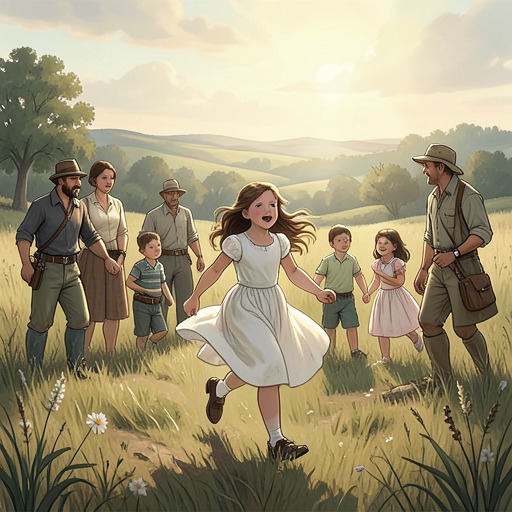
Once the tire is repaired, Maori urges Tooru to go. He pedals while straddling the seat, and she rides sidesaddle on the cargo rack behind him, one arm around his waist. They speed down a road between rice fields, with Maori shouting encouragement and delight. Their route deliberately avoids the one most students use to reach school because riding two to a bicycle violates traffic rules, and they suspect the bike might have been stolen. The scene’s freedom is therefore exhilarating but knowingly precarious: the pair enjoy the ride while taking care to avoid being caught by a police officer or teacher.
Tooru’s practical boast during the repair and the physical arrangement of the ride both make him responsible for the bicycle’s motion, but the exchange is playful rather than solemn. Maori’s excitement gives the outing its momentum, and their shared risk becomes part of its charm. The repaired bike carries them out of the school lot and into open fields, turning a borrowed or abandoned object into the vehicle for a private adventure.
Repetition and the daily reset
The ride does not end as a one-day novelty. Tooru and Maori ride together again after school the following day, and Maori is as delighted as before because that day’s version of her experiences it as a first ride. Tooru notes that the second outing is easier: he no longer needs to repair the tire, and being with her means he is not bored. When Maori wants to do it a third day in a row, he understands that the previous day’s journal entry has helped prompt the wish and is glad to follow it.
The third ride includes Izumi Wataya. She appears slightly exasperated by the pair’s yelps but also finds their enthusiasm heartwarming, and she jokingly calls out the traffic-safety violation as they ride. Her presence changes the outing from a private two-person escapade into a shared memory involving their friend, without removing the playful pattern the earlier rides established.
Repetition here is not simple duplication. Maori cannot carry the experience forward as ordinary continuous memory, but her journal lets a later daily self encounter the prior ride and choose to repeat it. The same activity can consequently feel fresh to her even as Tooru recognizes its recurrence. His willingness to ride again makes his care concrete: he helps create another enjoyable day rather than asking Maori to remember the previous one as he does.
Records and the later significance of the ride
The bicycle outings become part of the written and recorded account of Maori’s life. Later, while reading her journal, she finds entries about riding with her boyfriend and feels embarrassed by how giddy she seems, yet smiles despite that embarrassment. She checks the binder’s page about her boyfriend and a new phone folder with the same label, which contains photographs and videos of Tooru Kamiya.
One video, dated Monday, captures the ride at twilight. The image shakes as Maori records; scenery passes, and Tooru glances back while pedaling. Her voice sounds flirtatious, and the video makes their enjoyment visible even to the later self who cannot remember making it. Watching the simple, silly clip again makes her smile. The scene thus acquires a second life: first as an exhilarating ride, then as an entry and recording through which Maori can recognize the happiness of an earlier day.
That role of recorded evidence becomes especially poignant after Tooru’s death, when Izumi and Keiko Nishikawa work to remove him from Maori’s journal, binder, and digital records. Keiko offers to type the materials into a computer and repair the passages where his presence is removed. On the morning of the third day after the funeral, Izumi transfers the edited digital journal and notes to Maori’s laptop and replaces her phone, leaving her without access to the previous messages about Tooru. Yet one of Maori’s notes bears a hidden reminder on its reverse: that even if she recovers, she should always remember Tooru, because important things will always be in an important place.
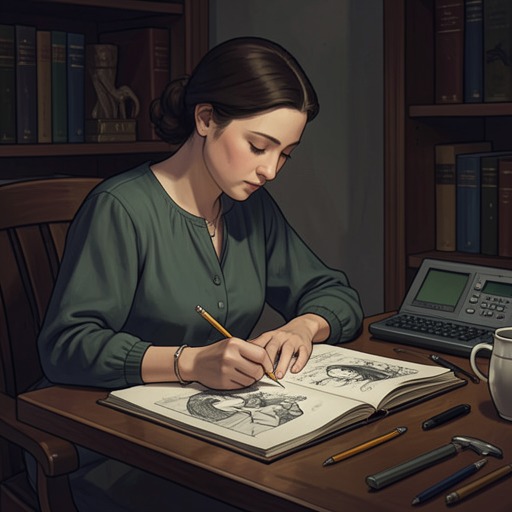
Later still, Maori’s recovered memory appears in drawings of Tooru that Izumi has never seen before. She recognizes them as images of Tooru as Maori remembers him. Those later developments give the bicycle episode a place in a wider pattern: experience is made durable through writing, video, and drawing, though the records can be altered or lost. The first ride is a small, specific happiness rather than a cure for Maori’s condition; its importance lies in how Tooru and Maori repeatedly make it possible to live that happiness again, and in the traces that allow it to remain legible across forgetting.